
Brightening Your Bikini Line: What Works (and What Scars)
The Truth About Viral Brightening Hacks
Scroll beauty forums and you'll see the same "hacks": lemon juice + baking soda, coconut oil + lemon, straight lemon on your bikini line. Millions of views, enthusiastic testimonials, and a recipe for disaster.
But DIY isn't the only problem. Even professional products can be risky for intimate areas. So what should you look for?
Here's the truth: ingredients that work on your face can wreck intimate skin. Knowing what to avoid (and why) is essential for safe brightening.
The DIY Disaster
Raiding your pantry seems easy and cheap, but "all-natural" doesn't always mean safe.
Lemon juice is extremely acidic (pH 2-3) [1], destroying your skin's natural pH balance (5.5) [2] and leaving your barrier vulnerable. Worse, citrus is phototoxic. Mix it with sunlight and you get chemical burns, blistering, and months of dark marks [3]. The exact opposite of what you wanted.
Baking soda swings the other way: super alkaline (pH 8-9), equally damaging to your barrier.
The real risk? DIY can make you darker from burns OR lighter from depigmentation, creating unpredictable patches that last far longer than your original dark spots [4].
The Professional Pitfalls
Hydroquinone is the dermatologist favorite for stubborn hyperpigmentation, but long-term use can cause exogenous ochronosis: permanent blue-black pigmentation [5], particularly in melanin-rich skin.
And that's from guided use on faces and hands. Now imagine applying a facial formula to intimate skin that absorbs 35-45% systemically and was never clinically tested for that area. You're multiplying the risk on your most delicate skin. [5]
So What Can You Use?
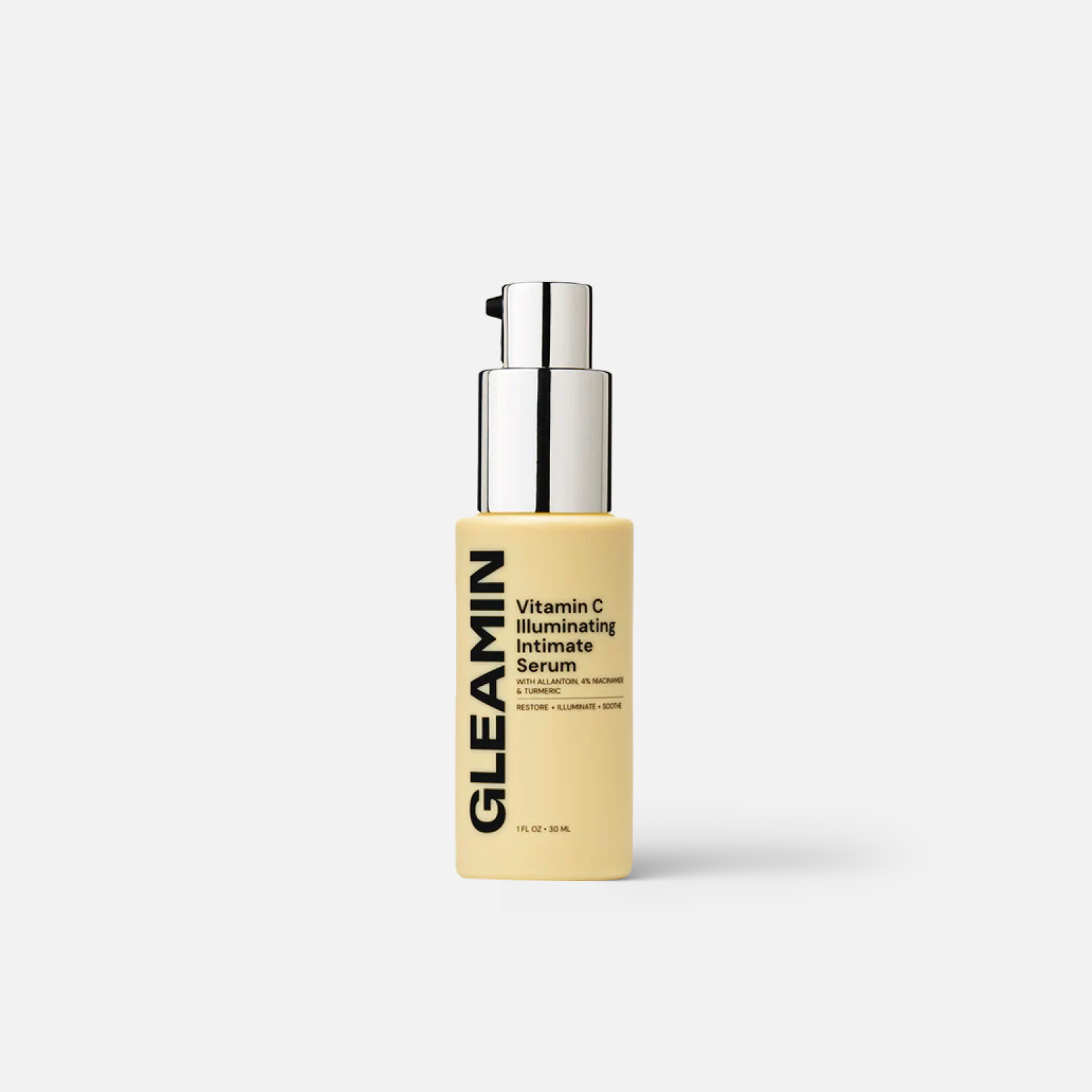
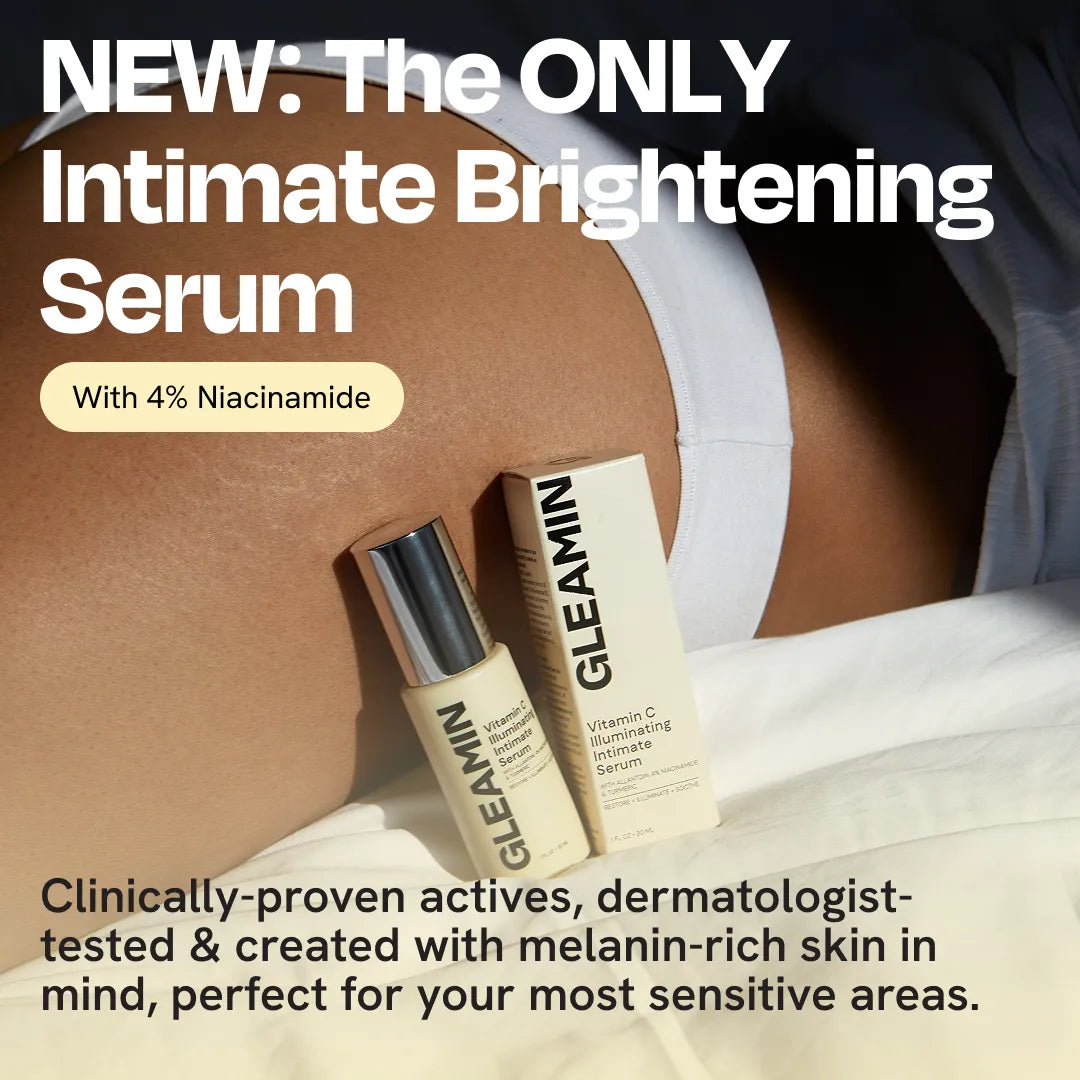
Safe intimate brightening needs ingredients that understand melanin biology and respect delicate tissue.
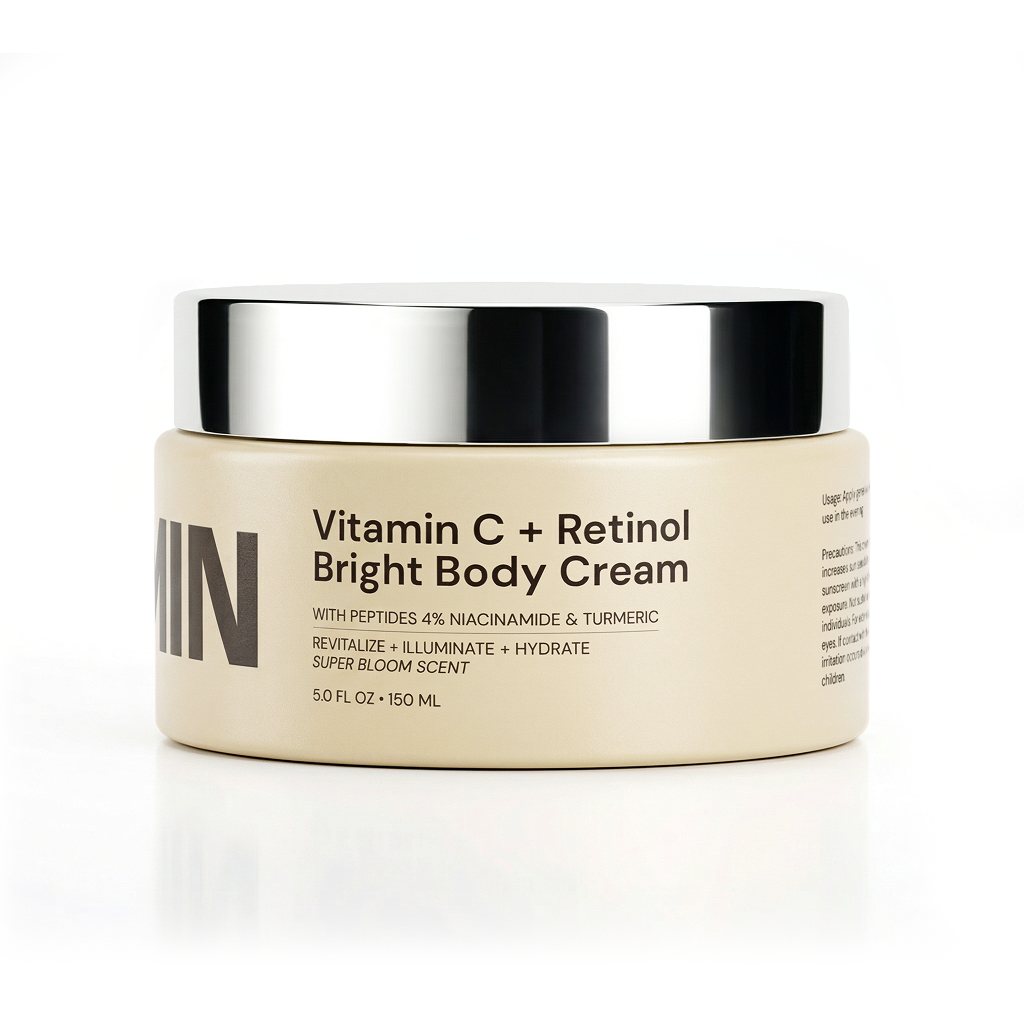
Niacinamide blocks pigment transfer by up to 68% [6]. It stops melanin from spreading to skin cells without damaging melanocytes. Your pigment-making cells stay healthy, but excess darkening? Intercepted.
Alpha Arbutin reduces melanin production by 60% without cell damage [7]. No permanent discoloration, no rebound darkening. Just gradual, controlled brightening that respects melanin-rich skin.
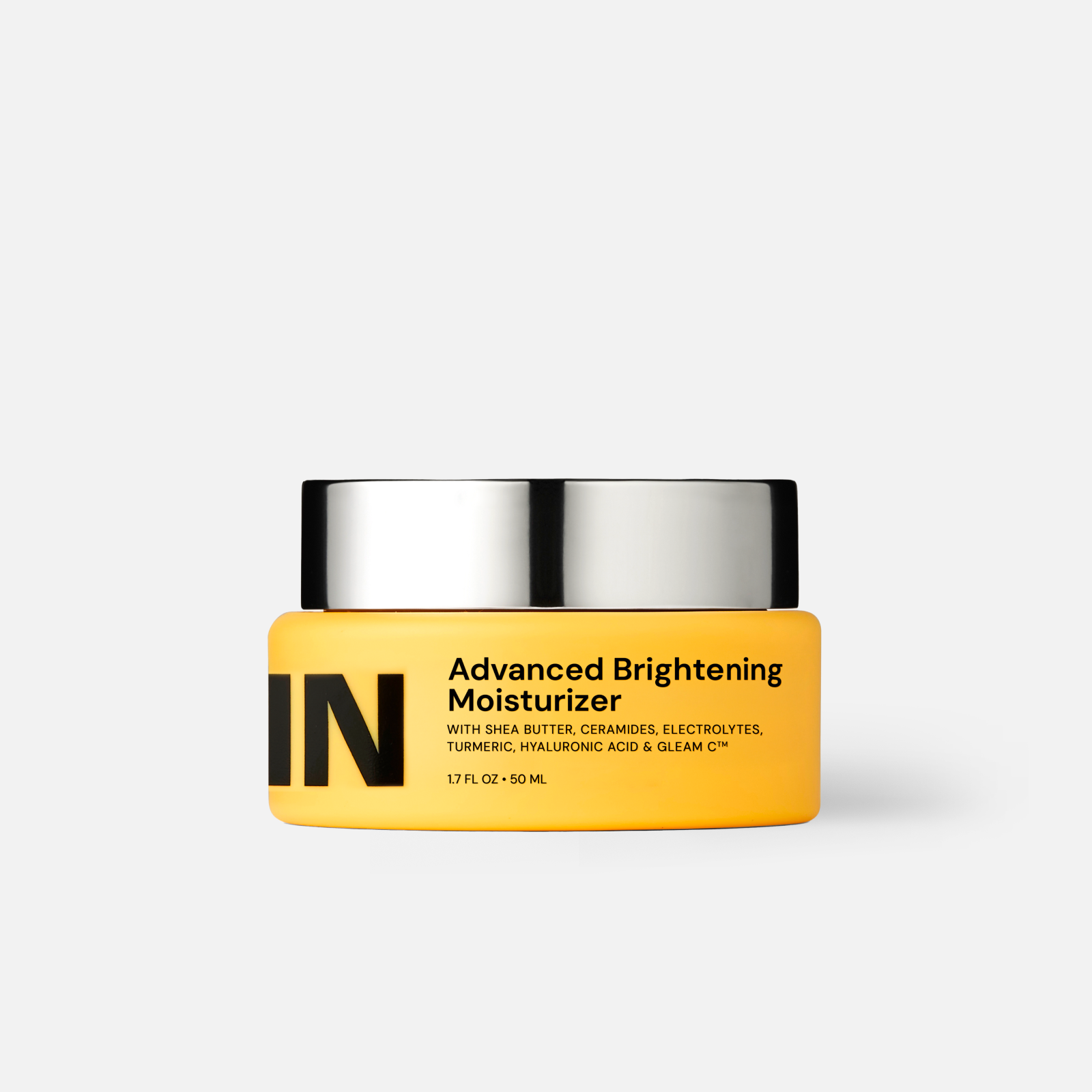
Stable Vitamin C inhibits tyrosinase, the enzyme that starts pigment production [8], at a pH that won't disrupt your microbiome. All the brightening benefits, none of the acid burn.
The Bottom Line
These three work through different pathways (transfer blocking, production regulation, enzyme inhibition) to address darkening without damage or risk.
Intimate brightening shouldn't be a gamble. And with the right ingredients, it doesn't have to be.
References:
[1] "Health Benefits of Baking Soda and Lemon Juice" Medical News Today (2024) https://www.medicalnewstoday.com/articles/324653
[2] "What Is Your Skin's pH and Why Does It Matter?" Cleveland Clinic (June 29, 2023) https://health.clevelandclinic.org/what-is-skin-ph
[3] "Lime-induced Phytophotodermatitis" Journal of Community Hospital Internal Medicine Perspectives (Hankinson A, Lloyd B, Alweis R, 2014) PMID: 25317269 https://pmc.ncbi.nlm.nih.gov/articles/PMC4185147/
[4] "Chemical Leucoderma Induced by Homemade Lemon Toner" Australasian Journal of Dermatology (Gye J, Nam CH, Kim JS, et al., 2014) DOI: 10.1111/ajd.12133 https://pubmed.ncbi.nlm.nih.gov/24433375/
[5] "Hydroquinone" StatPearls (National Center for Biotechnology Information, 2024) https://www.ncbi.nlm.nih.gov/books/NBK539693/
[6] "The Effect of Niacinamide on Reducing Cutaneous Pigmentation and Suppression of Melanosome Transfer" British Journal of Dermatology (Hakozaki T, Minwalla L, Zhuang J, et al., 2002) DOI: 10.1046/j.1365-2133.2002.04834.x https://pubmed.ncbi.nlm.nih.gov/12100180/
[7] "Inhibitory Effects of α-Arbutin on Melanin Synthesis in Cultured Human Melanoma Cells and a Three-Dimensional Human Skin Model" Biological and Pharmaceutical Bulletin (Sugimoto K, Nishimura T, Nomura K, Sugimoto K, Kuriki T, 2004) DOI: 10.1248/bpb.27.510 https://www.jstage.jst.go.jp/article/bpb/27/4/27_4_510/_article
[8] "Topical Vitamin C and the Skin: Mechanisms of Action and Clinical Applications" Journal of Clinical and Aesthetic Dermatology (Al-Niaimi F, Chiang NYZ, 2017) PMID: 29104718 https://pmc.ncbi.nlm.nih.gov/articles/PMC5605218/