7 Science-Backed Ways to Break the Summer Body Anxiety Cycle
The Conversations We Have When No One's Listening
Here's the one thing nobody wants to admit: summer should be the most relaxing time of year, but for most of us? It's anxiety season in disguise.
You know the drill. Vacation's coming up, and suddenly you're mentally rehearsing beach poses, calculating crop zones in photos, and having full internal negotiations about lighting conditions. The white bikini sits in your drawer with tags still on. The "casual" pool party outfit took 47 tries to perfect.
We've all been there, privately googling solutions at 2 AM while publicly pretending these concerns don't exist. But if we’re being real here? If 87% of women deal with intimate area darkening but 0% talk about it openly, we're all struggling with the same thing in isolation.
The research proves what we already knew: summer anxiety is real, measurable, and way more common than anyone admits. But instead of perfecting our hiding strategies, let's talk about what actually helps.
1. Understand It's Measurable Psychology, Not Personal Failing
A cross-national study found body image dissatisfaction peaks in summer and dips in winter across populations [1]. Read that again: this isn't weakness, it's a documented psychological pattern that affects most people.
Recognizing summer anxiety as a predictable cycle helps reduce self-blame. You're not broken for feeling this way, you're literally responding to measurable environmental and social triggers.
2. Know That Avoidance Makes Everything Worse
Psychology research shows that avoiding feared situations maintains and reinforces anxiety rather than reducing it [2]. All those strategic planning behaviors - the position rehearsals, the clothing calculations, the lighting negotiations - feel protective but actually strengthen negative beliefs about your body over time.
The mental choreography session before every pool party? That's avoidance disguised as preparation. And it's keeping you stuck in the cycle.
3. Break the Stress-Skin Connection (Yes, It's Real)
Here's the plot twist nobody saw coming: all that stress about intimate area appearance is literally making it worse. Stress elevates cortisol and hormones like ACTH and MSH, which can increase melanin production and worsen pigmentation [3].
We're trapped in a cycle where worrying about hyperpigmentation causes more hyperpigmentation. Managing anxiety isn't just good for mental health, it directly impacts skin appearance.
4. Choose Function Over Performance
Instead of rehearsing poses and strategic positioning, focus on what your body can do. Swim, walk, play volleyball. We've turned relaxation into performance art because nobody talks about why we're really posing.
Reframing summer activities around function rather than appearance can help take the pressure off looking perfect and put it back on actually enjoying yourself.
5. Use Gradual Exposure (It Actually Works)
Research shows that gradual exposure exercises are effective components of cognitive-behavioral therapy for body image concerns [2]. The principle is simple: rather than complete avoidance, gradually increasing comfort with anxiety-provoking situations helps break the cycle where avoidance reinforces negative beliefs.
Start small. Maybe it's wearing that tank top around the house first. Or taking photos without the strategic crop. Baby steps still move you forward.
6. Switch to Genuine Self-Care (Not Damage Control)
Move from appearance-fixing behaviors to genuine wellness. The real tea: while you're mixing lemon juice and baking soda (please stop), there's actual science that works.
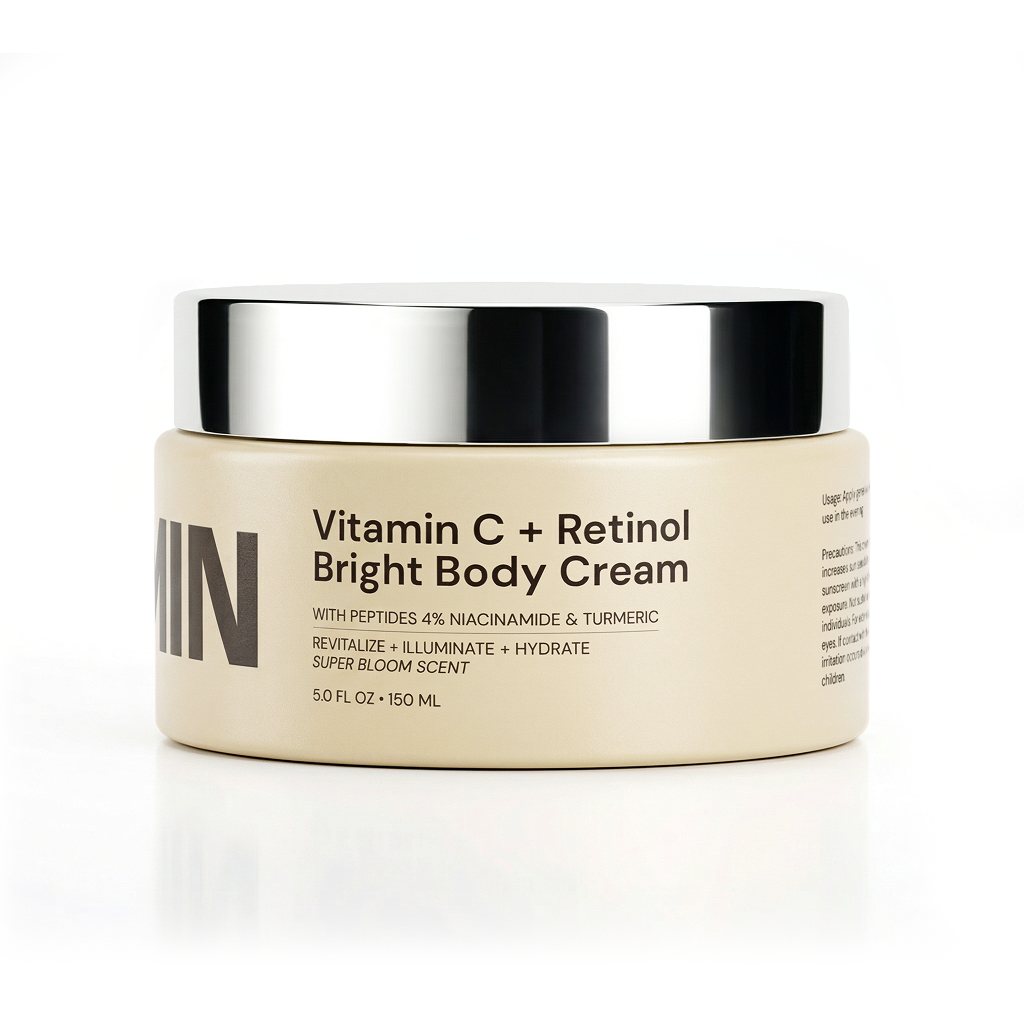
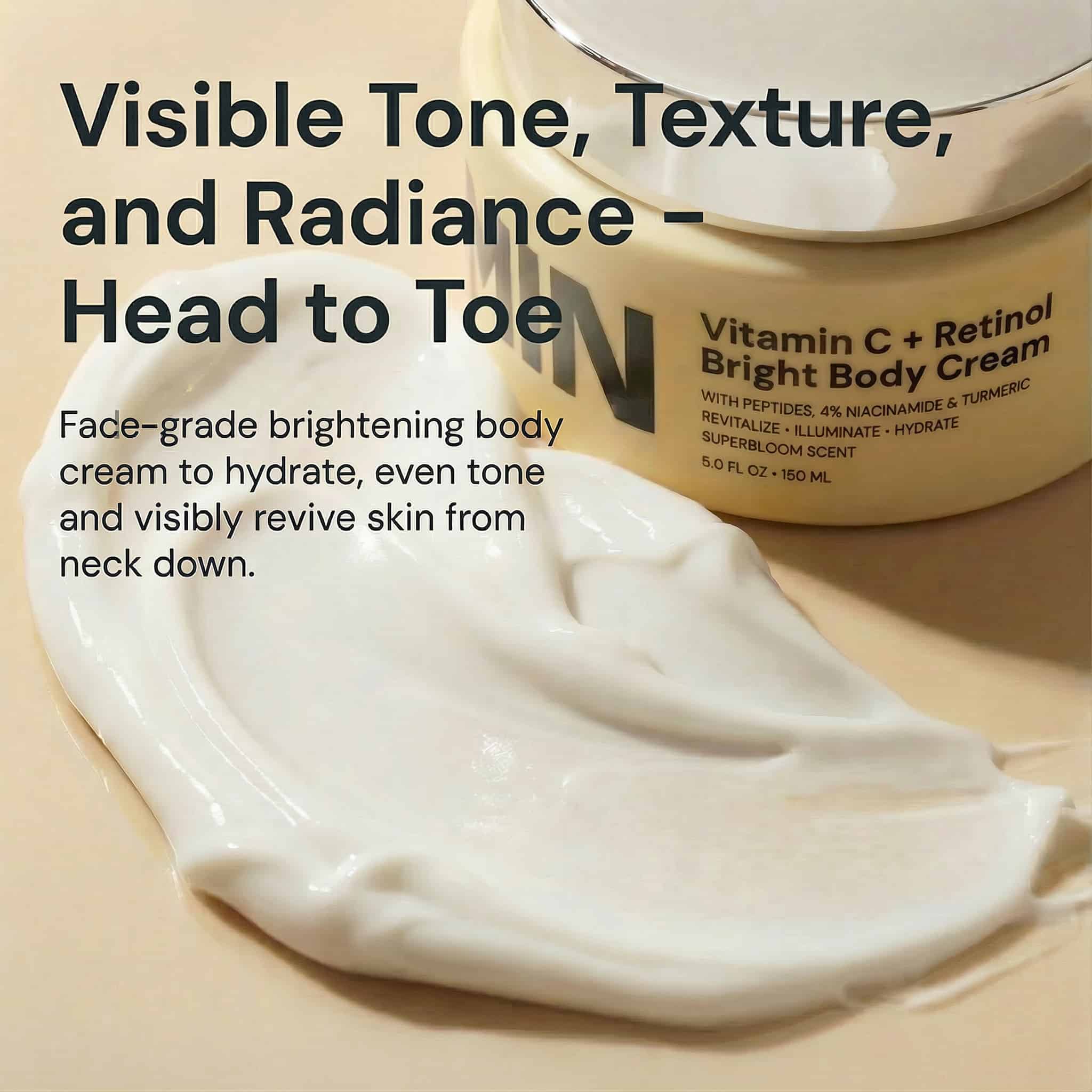
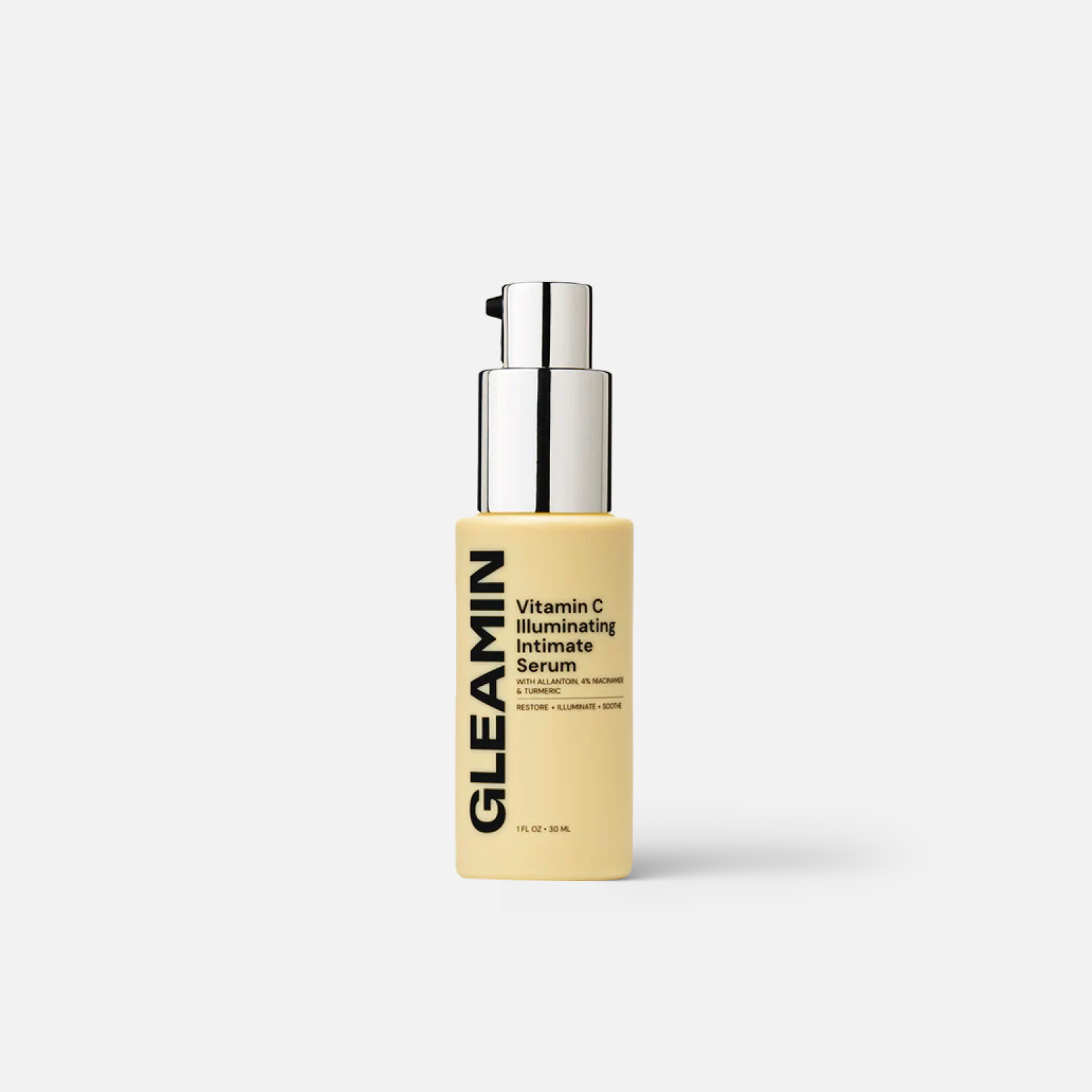
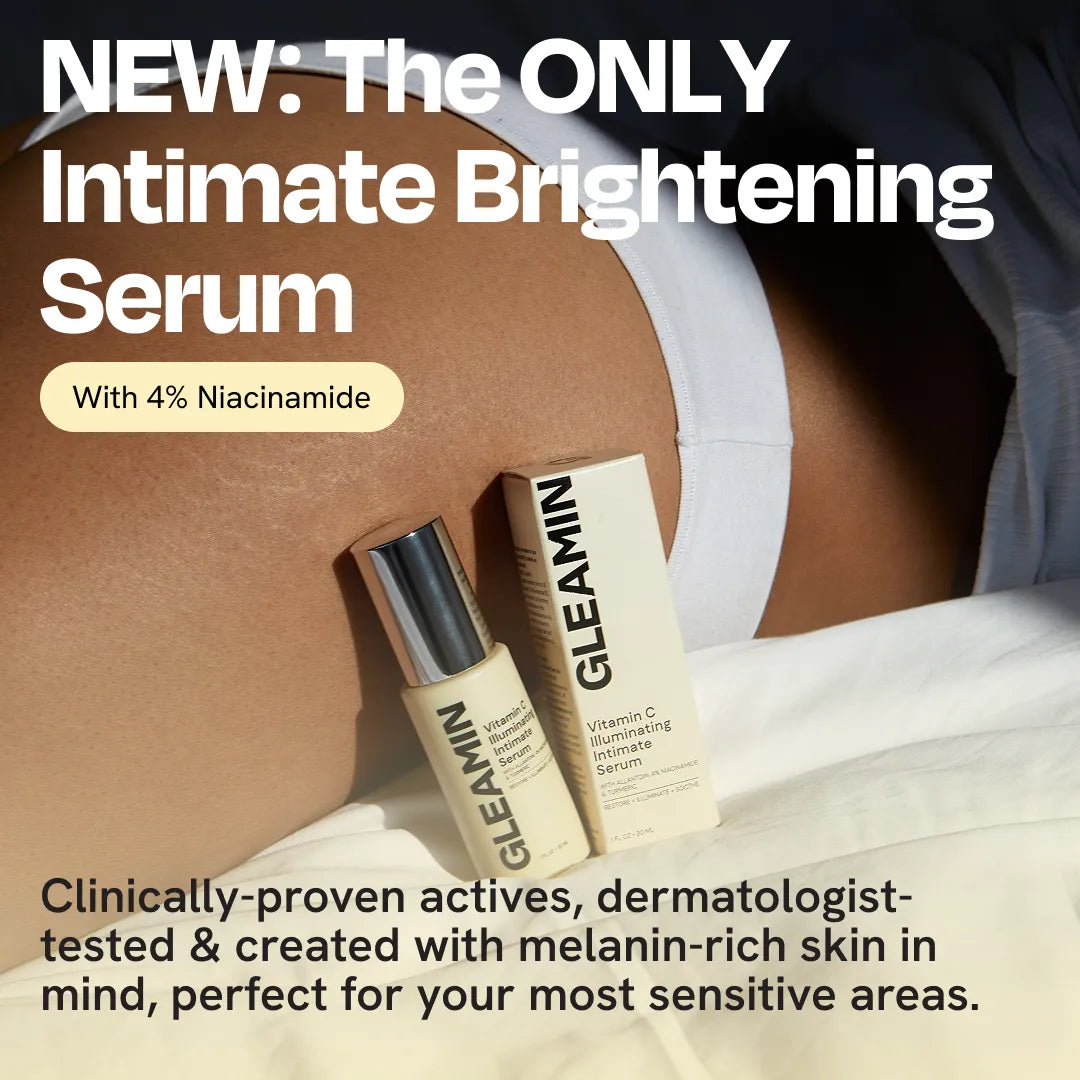
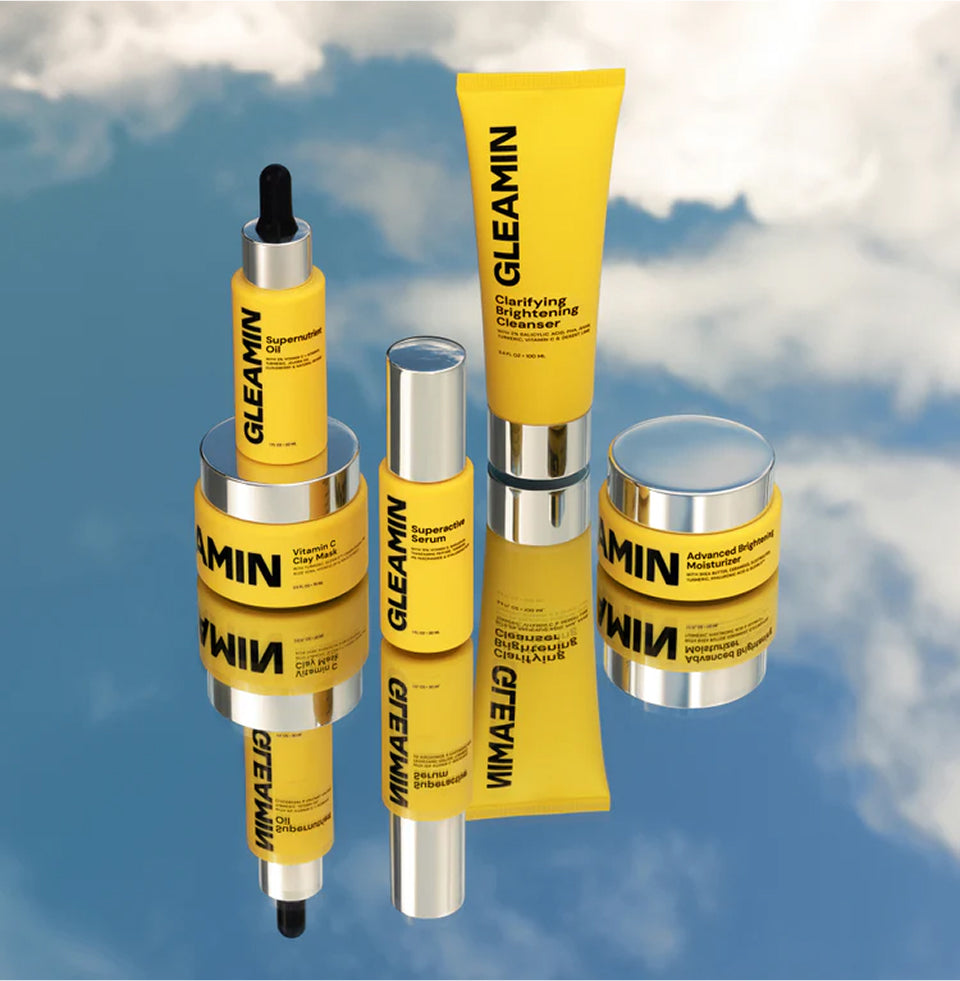
Clinical-strength niacinamide at 4% concentration can visibly brighten intimate areas in 7 days - without the burning, pH disasters, or embarrassing dermatologist visits.
Use products that support both skin health and peace of mind. This creates positive associations with self-care rather than shame-based hiding.
7. Normalize the Experience (Because It IS Normal)
Remember that if something affects most people, it's biology and culture, not personal failure. Maybe we stop pretending these areas don't exist. What if we acknowledge that if 87% of us are dealing with something, it's not our fault - it's just biology that nobody bothered to normalize.
Breaking the silence around these concerns reduces isolation and shame. The research proves we're all dealing with the same thing, yet the silence makes everyone think they're alone.
The Real Solution
Summer anxiety is real, measurable, and common. The answer isn't perfecting your hiding strategies, it's recognizing these patterns and choosing evidence-based approaches that actually reduce anxiety while supporting both mental and skin health.
Because the biggest summer glow-up might just be admitting what we've all been hiding.
References
[1] Griffiths, S., Austen, E., Krug, I., Blake, K. "Beach body ready? Shredding for summer? A first look at 'seasonal body image.'" Body Image (2021). https://www.sciencedirect.com/science/article/abs/pii/S1740144521000383
[2] Alleva, J. M., Sheeran, P., Webb, T. L., Martijn, C., Miles, E. "A Meta-Analytic Review of Stand-Alone Interventions to Improve Body Image." PLoS One (2015). https://pmc.ncbi.nlm.nih.gov/articles/PMC4587797/
[3] Platsidaki, E., Efstathiou, V., Markantoni, V., Kouris, A., Kontochristopoulos, G., Nikolaidou, E., Rigopoulos, D., Stratigos, A., Gregoriou, S. "Self-Esteem, Depression, Anxiety and Quality of Life in Patients with Melasma Living in a Sunny Mediterranean Area: Results from a Prospective Cross-Sectional Study." Dermatology and Therapy (2023). https://pmc.ncbi.nlm.nih.gov/articles/PMC10149543/