Bestseller
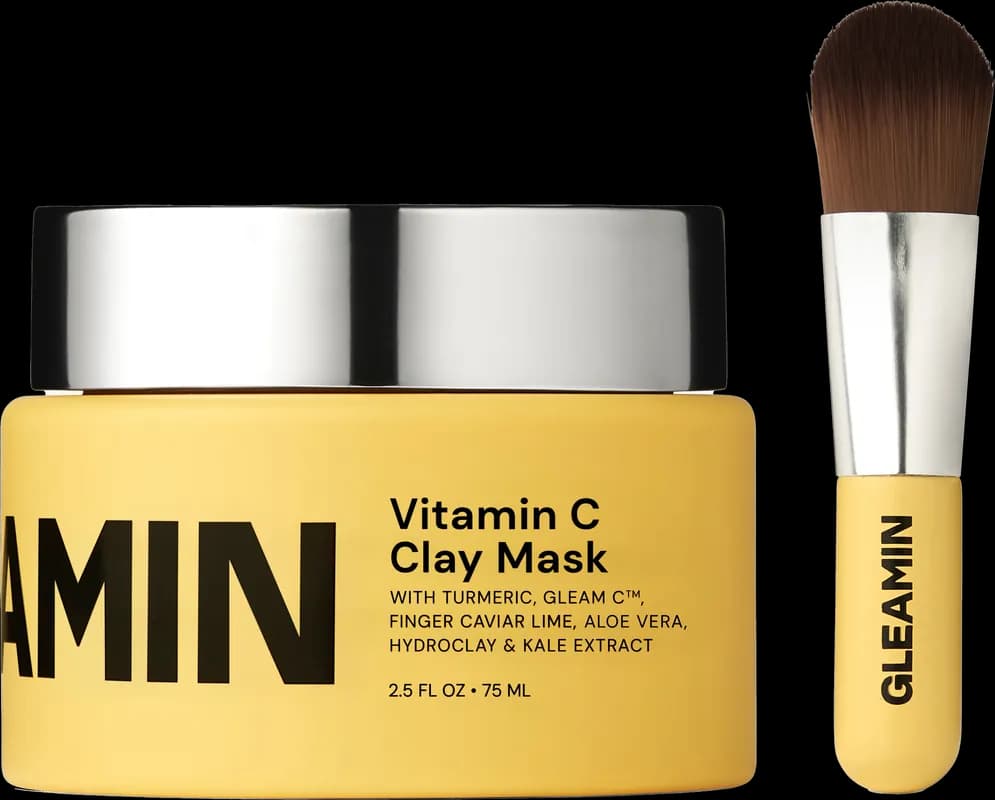
Vitamin C Clay Mask
12,453 reviewsOur best-selling 10-minute clay mask with Kakadu plum, desert lime and turmeric
- Kakadu plum
- Desert lime
- Turmeric
- Kaolin and hydroclay
Something new is coming
Trusted by 1M+Skincare built for skin prone to dark spots, with melanin-rich skin in mind, trusted by over a million people. Our next chapter goes beyond the counter, for face, body and intimate skin. Join the waitlist for founding-member early access.
By joining you agree to receive launch updates from Gleamin. Unsubscribe any time.
Looking for Gleamin's cosmetic products?
Shop them on Amazon here
Made for skin prone to dark spots, with melanin-rich skin in mind. All available on Amazon.
Our best-selling 10-minute clay mask with Kakadu plum, desert lime and turmeric


4.4 out of 5 from 13,202 reviews
Routines, ingredients and plain answers on dark spots and uneven tone, with deeper skin in mind.
 Dark spots & pigmentation
 By Gleamin Team
 Dark spots & pigmentationBy Gleamin Team
 Dark spots & pigmentationBy Gleamin Team
Vitamin C is one of the most researched ingredients for a brighter, more even-looking skin tone. It's an antioxidant, it slows the enzyme that starts pigment production, and it supports collagen. Trends come and go; vitamin C has decades of evidence behind it, so it's at the heart of every Gleamin formula.
Read more in Vitamin C for dark spots: how it works and how to use it.
Pure vitamin C breaks down quickly in light, air and water, so we rely on stable forms and protective packaging. We mostly use stable forms that hold up in a formula and convert to vitamin C in the skin: sodium ascorbyl phosphate, 3-O-ethyl ascorbic acid and tetrahexyldecyl ascorbate. We add botanicals naturally rich in vitamin C, such as Kakadu plum and desert lime, and choose packaging that keeps light and air out.
Hyperpigmentation is skin that is darker in some areas than the surrounding skin, caused by extra melanin, the pigment that gives skin its color. It shows up as dark spots, patches or an uneven skin tone. Common types include post-inflammatory hyperpigmentation (marks left after acne, cuts or irritation), sun spots from UV exposure, melasma (larger, even patches linked to hormones and deepened by sun, visible light and heat), and darkening from friction. Hyperpigmentation is harmless in most cases and is especially common in medium to deep skin tones, where pigment cells respond more strongly to inflammation and light.
Dark spots on the face are caused by melanocytes producing extra melanin in one area. The most common triggers are: sun exposure (UV and visible light), inflammation from acne, eczema, bug bites or picking at skin, hormonal changes such as pregnancy or the pill (which can bring on melasma), irritation from harsh products or hair removal, and certain medications. On darker skin tones, post-inflammatory hyperpigmentation after breakouts is the leading cause of dark spots.